Perennial Companion Plants That Will Make Your Roses Bloom
Perennial Companion Plants That Will Make Your Roses Bloom
Roses are a classic garden flower, but they can be susceptible to pests and diseases. Companion planting is a great way to help keep your roses healthy and thriving. By planting certain companion plants near your roses, you can deter pests, attract beneficial insects, and improve the overall health of your roses.
In this blog post, we will discuss some of the best perennial companion plants for roses. We will also provide tips on how to plant and care for these companion plants, so you can enjoy beautiful roses all season long.
Benefits of Companion Planting with Roses
There are many benefits to companion planting with roses. Some of the most common benefits include:
- Deterrent to pests and diseases. Many companion plants have natural pest-repelling properties. By planting these plants near your roses, you can help to keep pests away and reduce the need for chemical pesticides.
- Attraction of beneficial insects. Some companion plants attract beneficial insects, such as ladybugs and lacewings. These insects help to control pests that can harm your roses.
- Improved soil health. Some companion plants help to improve the overall health of your soil. This can lead to healthier roses that are more resistant to pests and diseases.
- Extended bloom time. Some companion plants can help to extend the bloom time of your roses. This is because they bloom at different times of the year, so they can provide continuous color in your garden.
Best Perennial Companion Plants for Roses
There are many different perennial companion plants that you can plant with roses. Some of the most popular options include:
- Lavender: Lavender is a classic companion plant for roses. It has a strong scent that deters pests, such as aphids and spider mites. Lavender also helps to improve the drainage of soil around roses, which can help to prevent root rot.
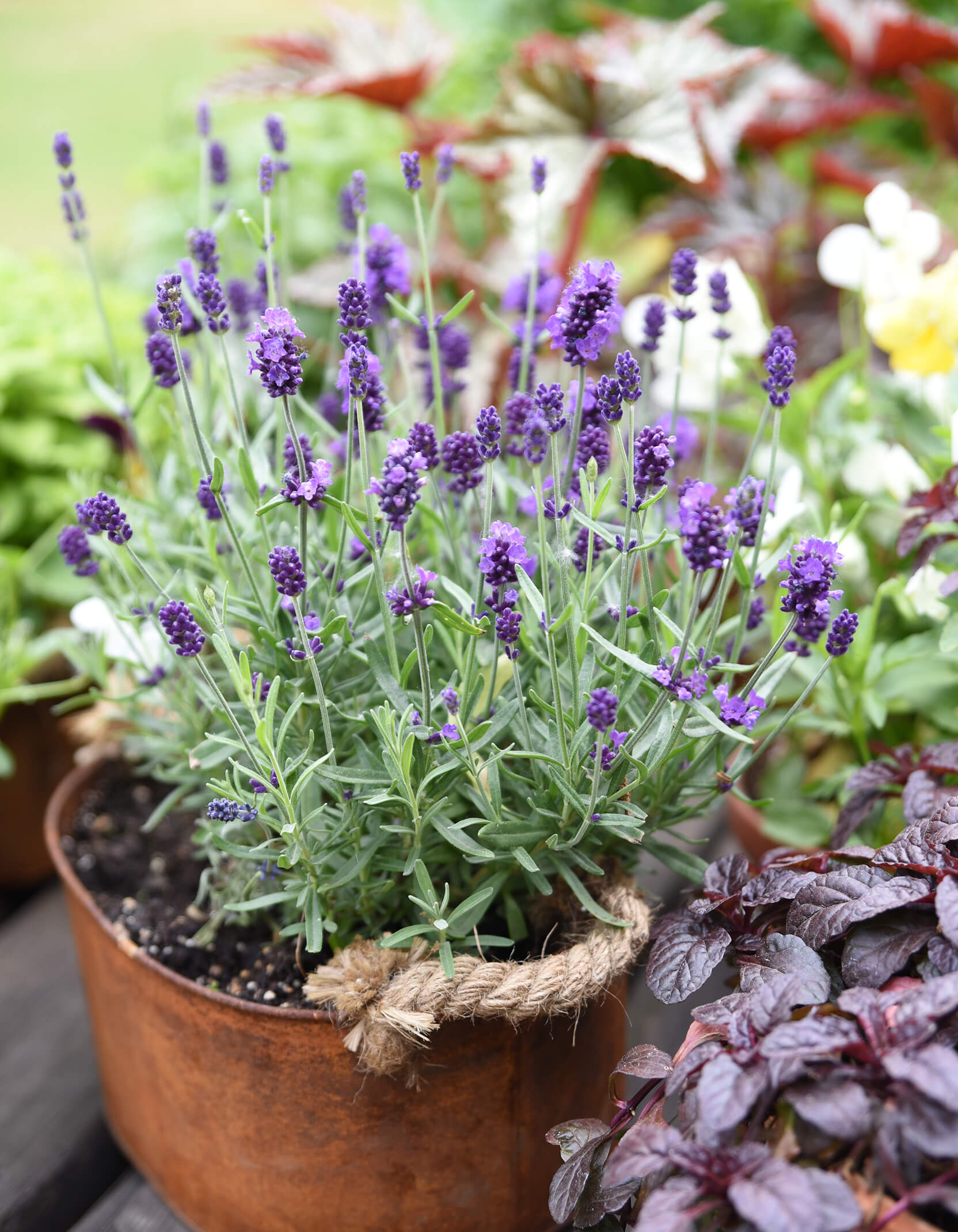
- Catmint: Catmint is another popular companion plant for roses. It has a similar scent to lavender and helps to deter pests. Catmint also attracts beneficial insects, such as bees and butterflies.

- Geraniums: Geraniums are a good choice for companion planting with roses because they come in a variety of colors and bloom for a long time. They also help to improve the drainage of soil around roses.
- Yarrow: Yarrow is a hardy plant that can help to deter pests and diseases. It also attracts beneficial insects and helps to improve the drainage of soil around roses.

- Marigolds: Marigolds are another good choice for companion planting with roses because they help to deter pests, such as nematodes and aphids. They also help to improve the drainage of soil around roses.
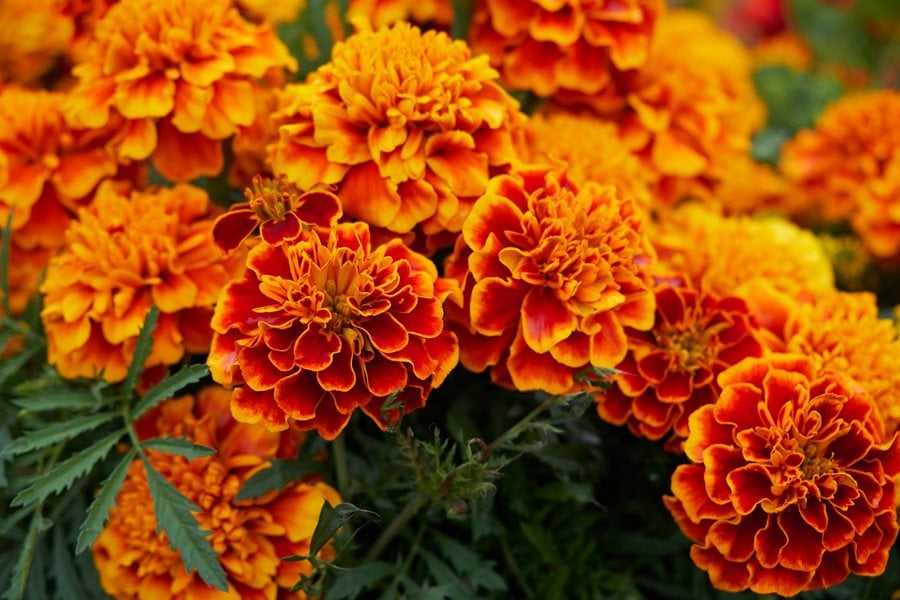
- Agastache: Agastache is a tall, spiky plant that blooms in shades of blue, purple, and white. It helps to attract beneficial insects, such as bees and butterflies, and it also helps to deter pests.
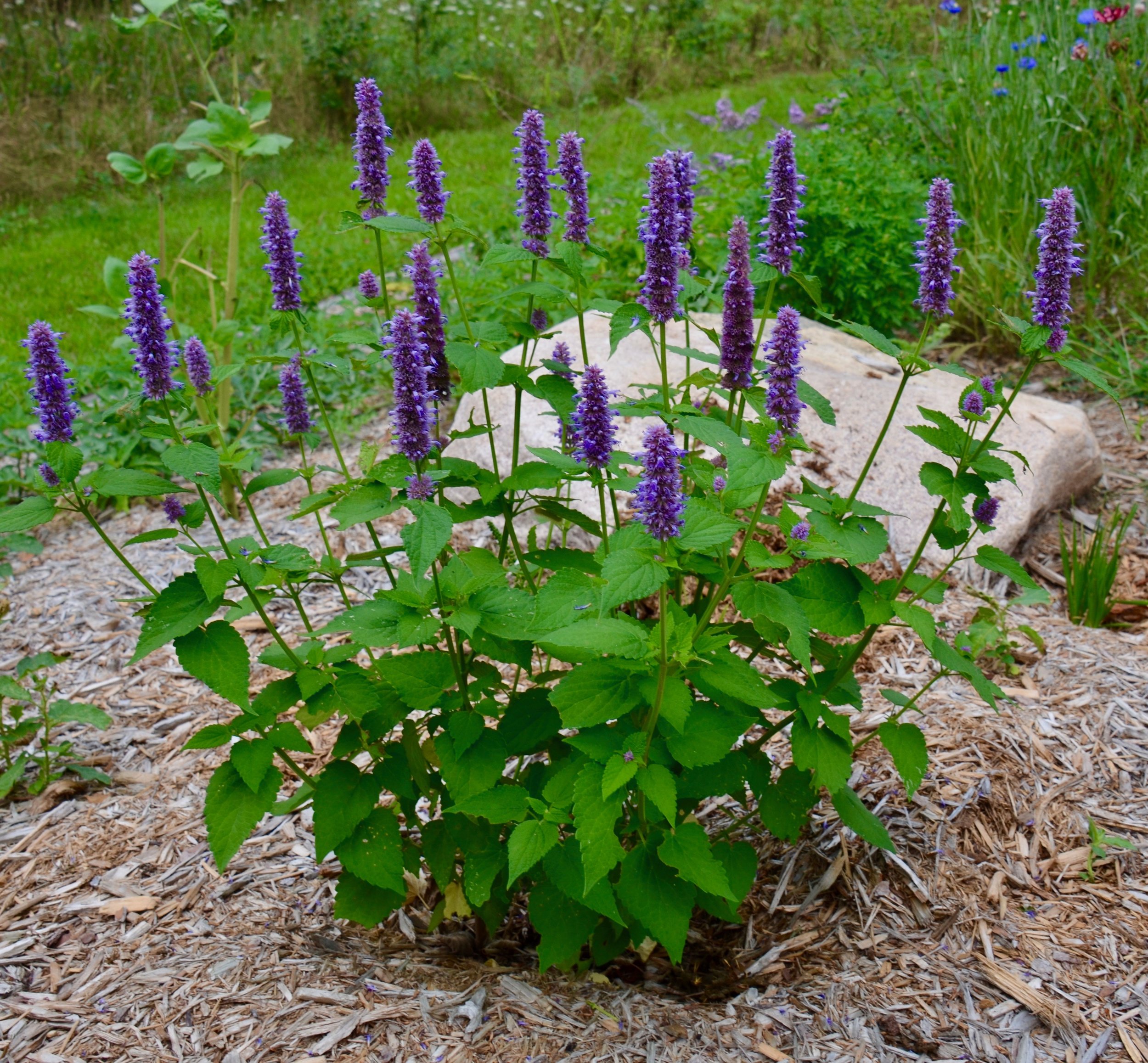
- Coreopsis: Coreopsis is a low-maintenance plant that blooms in shades of yellow, orange, and red. It helps to attract beneficial insects, such as bees and butterflies, and it also helps to improve the drainage of soil around roses.
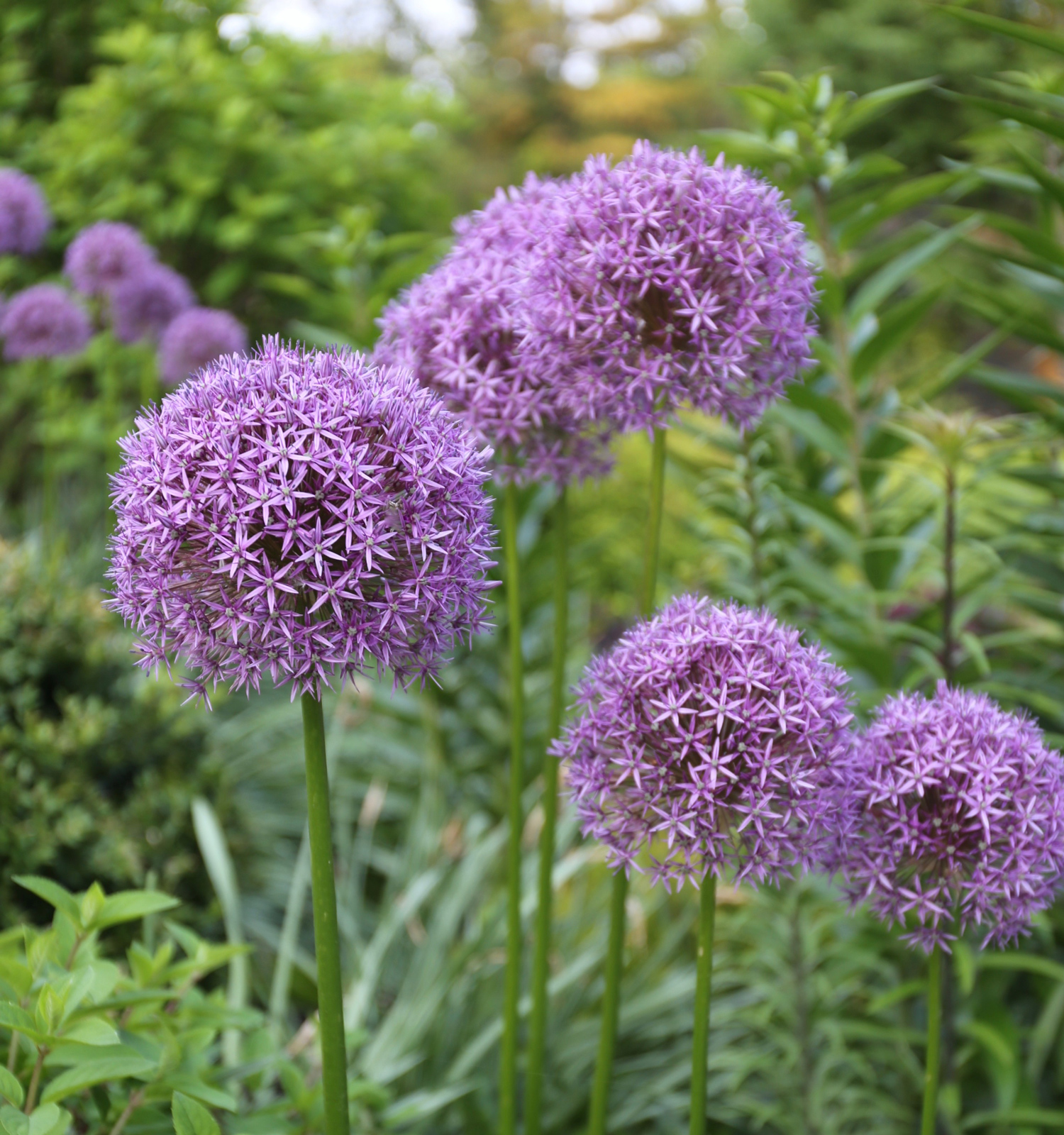
- Alliums: Alliums, such as onions and garlic, have a strong scent that deters pests. They also help to improve the drainage of soil around roses.
How to Plant and Care for Companion Plants with Roses
When planting companion plants with roses, it is important to choose plants that have similar water and sunlight requirements. You should also plant them at the same depth as your roses.
Once your companion plants are established, you will need to water them regularly, especially during hot, dry weather. You may also need to fertilize them once or twice a year.
In addition to regular watering and fertilizing, you should also deadhead your companion plants regularly. This will encourage them to produce more flowers.
Conclusion
Companion planting is a great way to help keep your roses healthy and thriving. By planting certain companion plants near your roses, you can deter pests, attract beneficial insects, and improve the overall health of your roses.
The perennial companion plants listed in this blog post are just a few of the many options that are available. With a little research, you can find the perfect companion plants for your roses and enjoy beautiful blooms all season long.
Roses are a beautiful addition to any garden, but they can be susceptible to pests and diseases. Companion planting is a great way to help protect your roses and attract beneficial insects. Some of the best perennial companion plants for roses include:
- Lavender: Lavender has a strong scent that deters pests such as aphids, spider mites, and Japanese beetles. It also attracts pollinators such as bees and butterflies.
- Catmint: Catmint is another fragrant herb that repels pests. It also attracts beneficial insects and helps to deter rabbits and deer.
- Lady's mantle: Lady's mantle has fuzzy leaves that help to suppress weeds and protect rose roots from the sun. It also blooms with yellow flowers that attract pollinators.
- Alliums: Alliums, such as garlic and chives, have strong scents that repel pests and help to prevent diseases. They also add interest to the garden with their colorful blooms.
For more information about rose companion plants, visit Garden Wiki. This website has a comprehensive list of perennial companion plants for roses, along with information about their benefits and how to plant them.
FAQ of rose companion plants perennials
- What are the best companion plants for roses?
Some of the best companion plants for roses include lavender, catmint, lady's mantle, and tall growing pinks. These plants help to attract beneficial insects, deter pests, and improve the soil drainage around roses.
- What are the benefits of companion planting with roses?
There are many benefits to companion planting with roses. Some of the most important benefits include:
- Attracting beneficial insects: Companion plants can attract beneficial insects, such as ladybugs and lacewings, which help to control pests that damage roses.
- Deterrent pests: Some companion plants, such as garlic and onions, have strong scents that can deter pests from roses.
- Improving soil drainage: Companion plants with deep roots can help to improve the soil drainage around roses, which can help to prevent root rot.
- Completing the plant's lifecycle: Some companion plants can help to complete the plant's lifecycle by providing food or shelter at different times of the year. For example, bulbs can provide food for roses in the spring, while evergreens can provide shelter for roses in the winter.
- Adding visual interest: Companion plants can add visual interest to a rose garden by providing different colors, textures, and heights.
- What are some common mistakes to avoid when companion planting with roses?
Some common mistakes to avoid when companion planting with roses include:
- Planting too close together: Roses need plenty of space to grow and thrive. Planting them too close together can lead to overcrowding, which can increase the risk of disease and pests.
- Planting in the wrong location: Roses need full sun and well-drained soil. Planting them in the shade or in poorly drained soil can lead to problems such as poor growth, disease, and pests.
- Not watering enough: Roses need regular watering, especially during hot, dry weather. Not watering enough can lead to wilting, leaf drop, and even death.
- Not fertilizing enough: Roses need regular fertilization to produce healthy flowers. Not fertilizing enough can lead to weak growth, poor flowering, and even plant death.
- Not pruning properly: Roses need to be pruned regularly to maintain their shape and encourage new growth. Not pruning properly can lead to weak growth, poor flowering, and even plant death.
- How can I choose the right companion plants for my roses?
When choosing companion plants for your roses, there are a few things to keep in mind:
- The climate: Choose companion plants that are suited to the climate in your area.
- The soil type: Choose companion plants that prefer the same soil type as your roses.
- The size of the plants: Choose companion plants that are similar in size to your roses.
- The needs of the plants: Choose companion plants that have similar needs in terms of sun exposure, water, and fertilizer.
- The personal preferences: Choose companion plants that you like the look of and that will complement the other plants in your garden.
- Where can I find more information about companion planting with roses?
There are many resources available to help you learn more about companion planting with roses. Some good places to start include:
- Gardening books and magazines: There are many gardening books and magazines that include articles on companion planting.
- Online resources: There are many websites and blogs that offer information on companion planting.
- Local gardening clubs: Local gardening clubs often offer workshops and classes on companion planting.
- Extension offices: Extension offices can provide information on companion planting and other gardening topics.
Image of rose companion plants perennials
Here are 5 different images of rose companion plants perennials from Pinterest:
- Lavender is a great companion plant for roses because it helps to repel pests and diseases. It also attracts pollinators, which can help to improve the pollination of your roses.
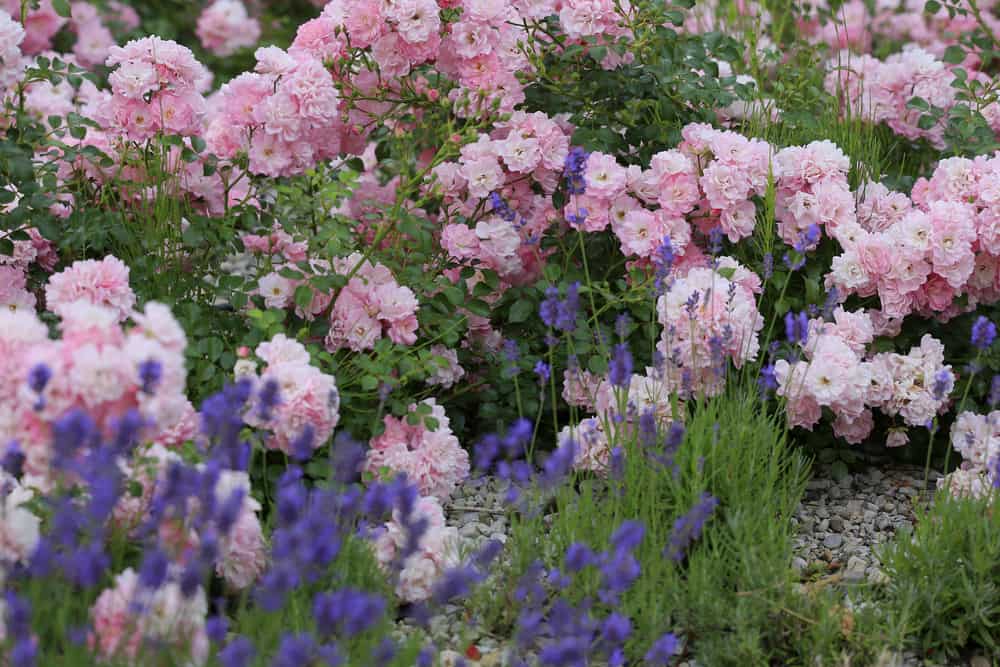
- Nepeta, also known as catmint, is another good companion plant for roses. It helps to deter pests and diseases, and it also attracts pollinators.
- Chrysanthemums are a beautiful and colorful addition to any rose garden. They also help to repel pests and diseases, and they can help to extend the blooming season of your roses.

- Daylilies are another long-blooming perennial that can be planted near roses. They help to attract pollinators, and they can also help to shade the roots of your roses, which can help to prevent them from drying out.
- Yarrow is a hardy perennial that can tolerate a wide range of conditions. It helps to attract pollinators, and it can also help to improve the drainage around your roses.


Post a Comment for " Perennial Companion Plants That Will Make Your Roses Bloom"